

What Is Panchakarma?
A Complete Beginner’s Guide to Ayurvedic Cleansing & Renewal
Panchakarma is a structured, multi-stage traditional Ayurvedic purification and restorative system rooted in classical Indian wellness philosophy. Literally translating from Sanskrit as "five actions" (pancha meaning five, and karma meaning action or procedure), the practice is designed to guide individuals through a supervised period of physical rest, simplified nutrition, and traditional herbal oil therapies. Rather than serving as a quick lifestyle trend, authentic Panchakarma requires individualized assessment and supervision by a qualified Ayurvedic practitioner.
Understanding the Philosophy Behind Panchakarma
In classical Ayurvedic tradition, wellbeing is viewed through the lens of balance among three fundamental energies, or doshas—Vata, Pitta, and Kapha—alongside the strength of Agni, traditionally described as digestive fire. According to traditional texts, when daily routines, seasonal shifts, or irregular eating habits disrupt this internal equilibrium, undigested residue known as Ama may accumulate.
While modern wellness culture often equates Ayurvedic cleansing with biomedical detoxification, classical Ayurveda approaches the concept differently. Panchakarma is not a clinical method for extracting chemical toxins from organs; rather, it is a methodical lifestyle reset designed to give the digestive system a period of quietude while encouraging mindful daily habits and deep physical relaxation.
The Three Phases of a Traditional Panchakarma Journey
A genuine Panchakarma programme is never rushed into a single afternoon. Traditionally, the process unfolds across three distinct, sequential phases tailored to an individual's constitution (Prakriti) and current state (Vikriti).
1. Purvakarma: The Preparation Phase
Before any core purification procedures take place, the body is gently prepared through Purvakarma. This preparatory stage typically spans several days and centers on two primary practices: Snehana (internal and external oleation using warm herbalised oils or ghee) and Swedana (gentle herbal steam therapy). In Ayurvedic philosophy, warm oil rituals and soothing steam soften tissues, encourage a deeply restful atmosphere, and prepare the person for the main phase of the programme. During this time, participants also transition to a simplified, warm, and easily digestible diet, often featuring kitchari—a traditional dish of mung lentils, rice, and mild culinary spices.
2. Pradhana Karma: The Five Classical Actions
Once preparation is complete, the practitioner selects appropriate procedures from the five classical actions (Pradhana Karma), based strictly on individual needs and health history:
- Vamana: Therapeutic emesis, traditionally utilized in specific Kapha-predominant protocols under strict clinical observation.
- Virechana: Herbal purgation designed to cleanse the gastrointestinal tract in a controlled, supervised manner.
- Basti: Herbal decoction or oil enemas, traditionally regarded in classical texts as a cornerstone practice for pacifying Vata.
- Nasya: The gentle administration of herbal oils or powders through the nasal passages to clear the head and neck region.
- Raktamokshana: Traditional bloodletting practices, which are specialized procedures rarely included in contemporary wellness retreat settings.
In modern international wellness settings, practitioners carefully adapt these classical protocols, focusing on gentle, non-invasive, and restorative variations that prioritise guest comfort and safety.
3. Paschat Karma: Rejuvenation and Gradual Transition
The final phase, Paschat Karma, is arguably the most vital for long-term wellbeing. Immediately following intensive rest and simplified eating, the digestive fire (Agni) is considered delicate. Participants are guided through Samsarjana Krama—a gradual, step-by-step reintroduction of varied foods—alongside Rasayana (rejuvenate herbal formulations and lifestyle practices). This unhurried transition allows daily eating habits and routines to gradually return to normal while preserving a sense of clarity and calm.
Supportive Daily Therapies and Mindful Living
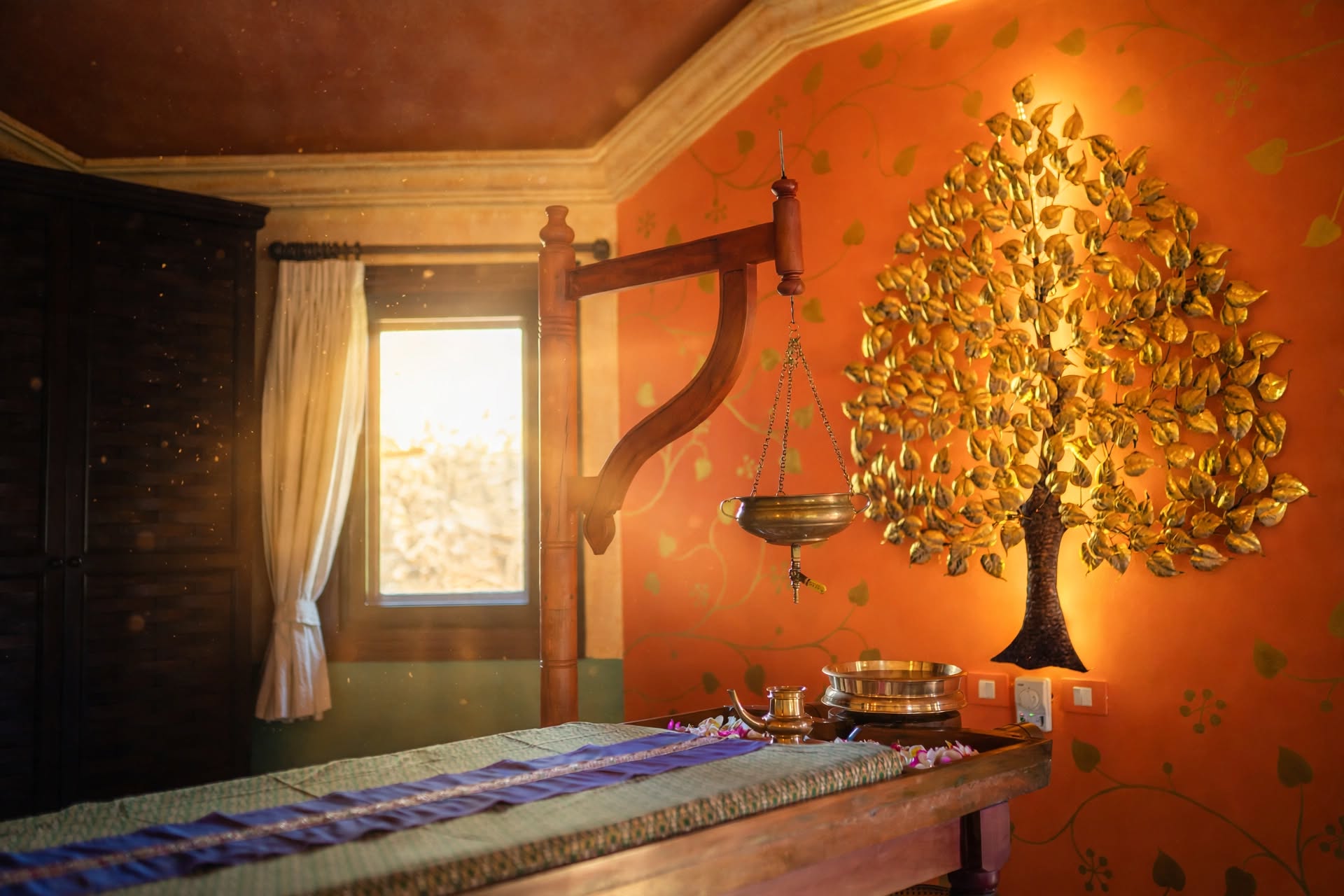
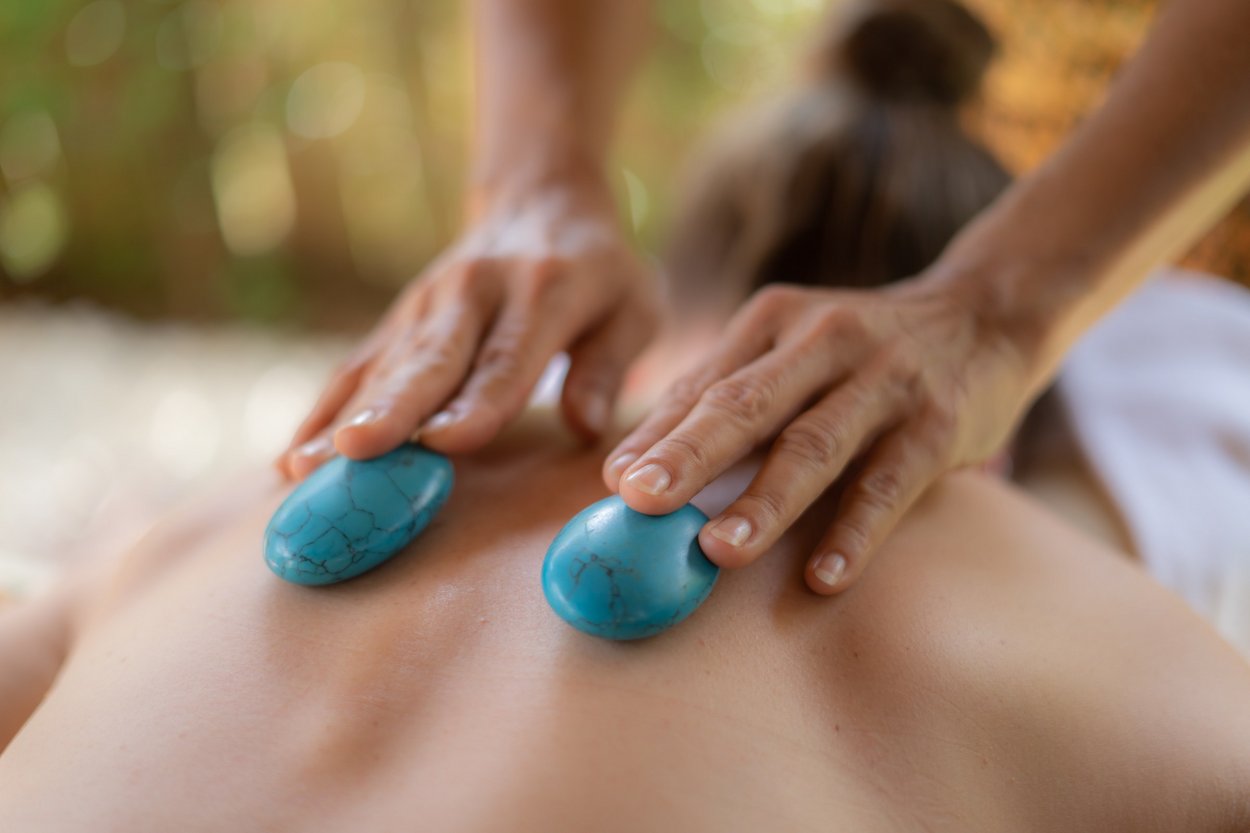
Alongside the core phases, a Panchakarma immersion typically weaves together supportive Ayurvedic bodywork and contemplative practices. Abhyanga, a rhythmic full-body massage using warm, herb-infused sesame or coconut oil, offers a profoundly grounding sensory experience. Shirodhara, in which a continuous, gentle stream of warm liquid is poured across the forehead, is widely appreciated for fostering stillness and quiet mental focus.
Equally important is the surrounding rhythm of Dinacharya—the traditional Ayurvedic daily routine aligned with natural circadian cycles[cite: 1, 5]. Gentle morning yoga, pranayama (breathwork), meditation, and early evening rest create a tranquil environment free from digital overstimulation, allowing participants to reconnect with their natural pace.
Safety, Supervision, and Realistic Expectations
Because Panchakarma involves structured dietary adjustments and traditional herbal preparations, professional oversight is essential. As noted by the National Center for Complementary and Integrative Health (NCCIH), Ayurvedic practices and herbal products should always be approached with qualified guidance, particularly for individuals with pre-existing health conditions, those taking prescription medications, or pregnant women.
Beginners considering Panchakarma should look for programmes led by degree-qualified Ayurvedic doctors (such as BAMS graduates) who conduct thorough initial consultations before recommending any treatments. Setting aside at least seven to fourteen days—and approaching the experience with patience rather than expecting instant physical transformations—allows the unhurried wisdom of this ancient tradition to unfold naturally.
Frequently Asked Questions About Panchakarma
How long does a typical Panchakarma programme last?
While introductory restorative stays may last 7 days, traditional Panchakarma protocols typically span 14 to 21 days. This period ensures adequate space for the preparatory phase (Purvakarma), the primary treatments, and the gradual post-cleanse dietary transition (Paschat Karma).
Is Panchakarma the same as a modern juice cleanse or medical detox?
No. Modern juice cleanses often rely on cold, raw liquids that Ayurvedic philosophy considers challenging for digestive fire (Agni). Panchakarma emphasizes warm, cooked, spiced foods, therapeutic warm oils, and individualized practitioner supervision rather than fasting or biomedical detoxification.
Who should avoid or postpone Panchakarma?
Panchakarma is not recommended during pregnancy, menstruation, acute fever, severe fatigue, or active illness. Always consult both your primary healthcare provider and a qualified Ayurvedic practitioner before beginning any intensive cleansing regimen.
Disclaimer: This article is for informational purposes only and is not a substitute for professional medical advice, diagnosis, or treatment.
“See more of our interesting activities on YouTube”




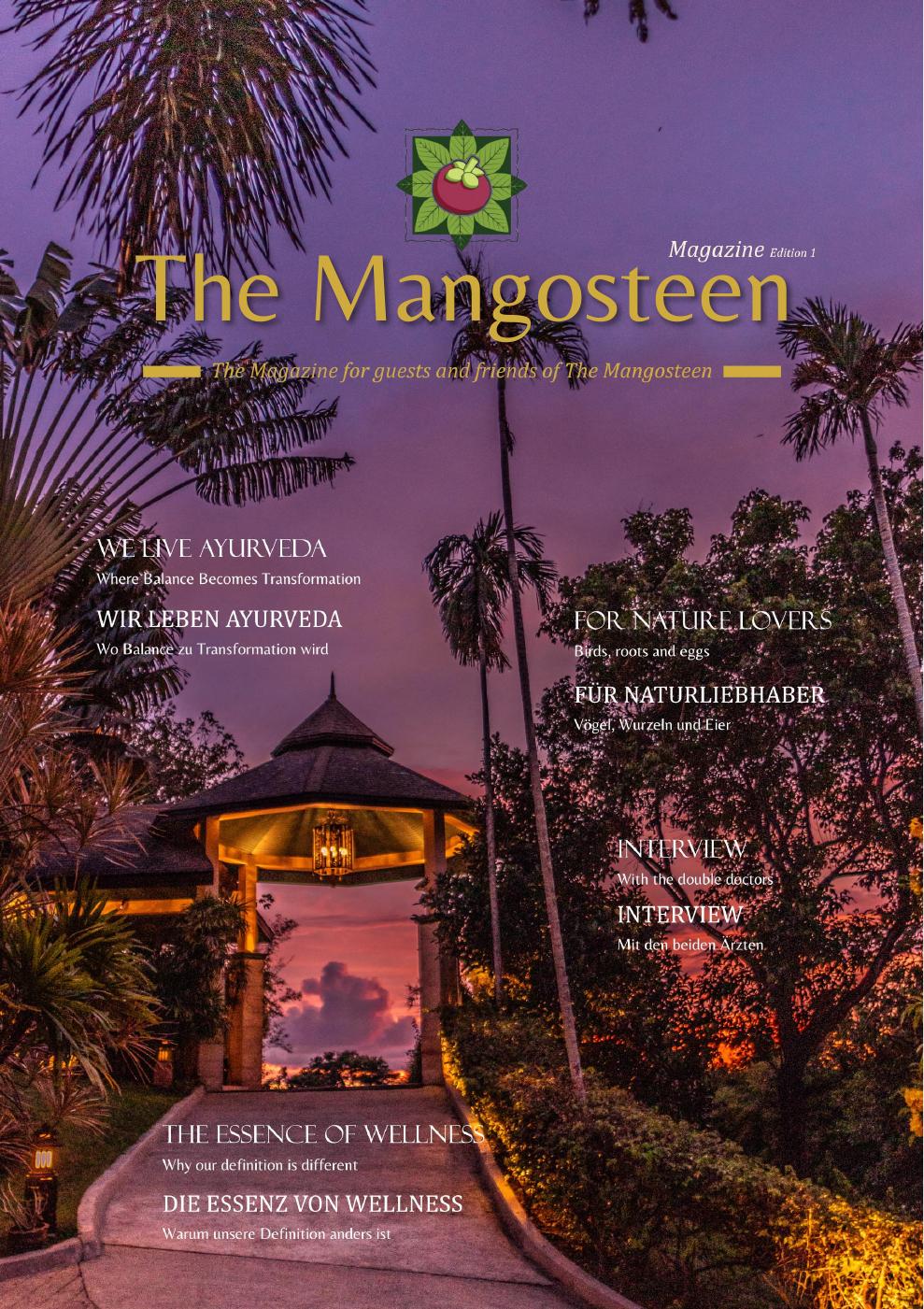
The Mangosteen Magazine
Edition 1
