


A gentle guide to living the whole day with presence, from the first light over Rawai to the last cup of evening tea.
The morning light settles over the green hills of Rawai, and nothing is in a hurry. The day has not yet asked anything of you. This quiet space before the rush is exactly what Ayurveda invites us to use well.
In traditional Ayurvedic philosophy, a day is not a list of tasks to survive. It is a rhythm to move with. The practice that describes this rhythm is called Dinacharya, from the Sanskrit dina (day) and charya (routine or conduct). It is less a strict rulebook than a gentle framework for presence, balance, and quiet reflection, from dawn until bedtime.
Why Follow the Rhythm of the Day?
Classical texts such as the Ashtanga Hridaya describe how life moves in natural cycles, with each part of the day carrying its own quality. Morning is calm and clear, midday is warm and active, and evening is soft and winding down. Dinacharya suggests aligning our habits with these shifts rather than working against them.
Modern wellness culture often chases fast transformation. Dinacharya offers the opposite: consistency and attention. Most people today treat these practices as meaningful self-care habits, not medical interventions.
Morning: Meeting the Dawn
Tradition calls the quiet hours before sunrise Brahma Muhurta, regarded as the most serene time for meditation, gentle movement, and contemplation. You don’t need to wake at 4:30 a.m. to benefit. Rising a little earlier than usual, without reaching for your phone, captures the spirit of it.
A traditional morning sequence unfolds like this:
- Wake gently. Before leaving bed, take a few slow breaths and set one quiet intention for the day, such as “unhurried” or “kind.”
- Refresh the senses. Rinse your face with cool water. Scrape your tongue lightly with a copper or stainless steel scraper (Jivha Nirlekhana), working from back to front, then rinse. Some traditions also swish warm sesame or coconut oil in the mouth.
- Sip something warm. A glass of warm water, perhaps with fresh lemon or a mild herbal infusion, is a gentle cue to begin the day slowly.
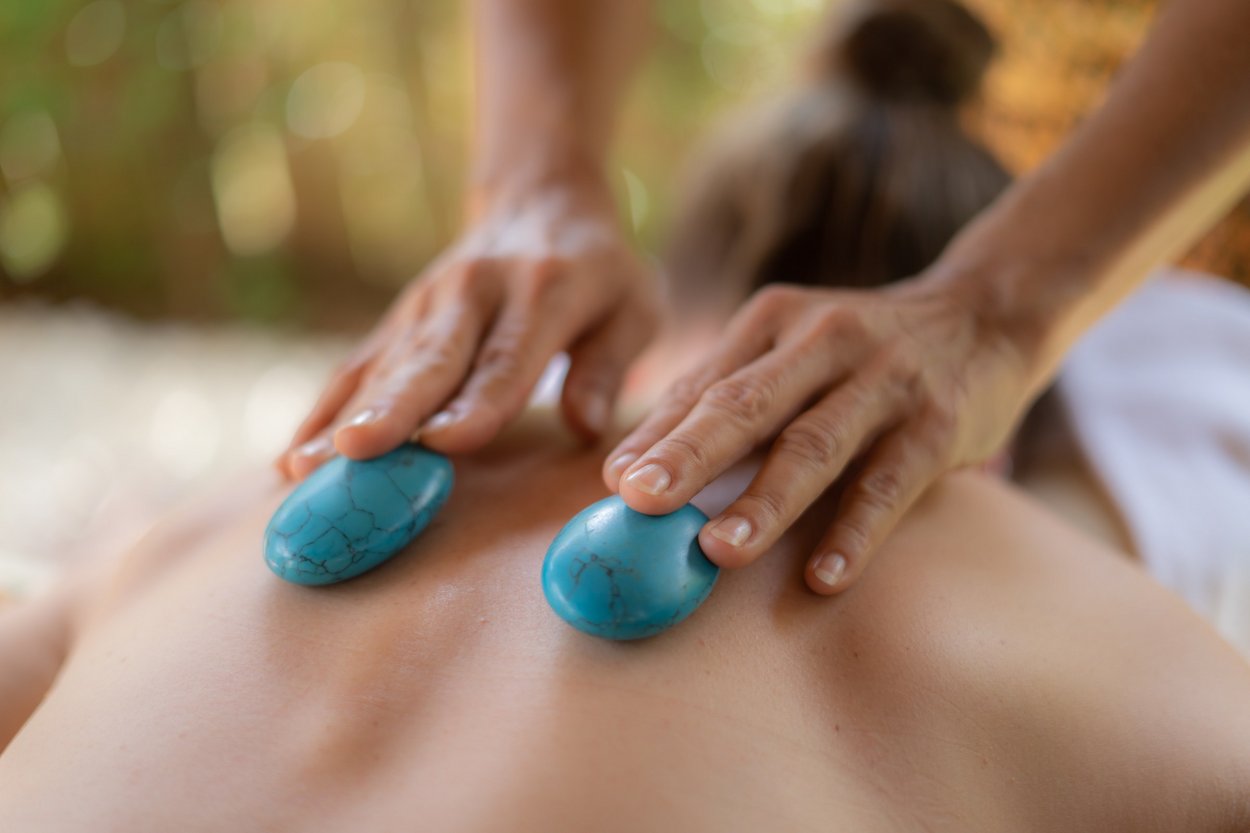
- Warm oil self-massage (Abhyanga). Smooth warm sesame or coconut oil over the body in long strokes before bathing. It is a grounding moment of touch and warmth, and a way to connect with yourself before the day’s responsibilities. Before using any oil for the first time, test a small amount on a patch of skin and wait to confirm it suits you. Take care with oily floors in the bathroom.
- Move and breathe. Gentle stretching, simple yoga postures, or Pranayama (breath regulation) bring awareness into the body. The focus is on ease, not strain.
Midday: The Main Meal and a Slower Pace
As the sun reaches its peak, Ayurvedic tradition sees midday as the time of strongest daily activity and the most suitable moment for the day’s main meal. The idea is that nature’s warmth mirrors our own rhythm.
Eating mindfully here means:
- Sitting down, with no screens
- Savoring the aromas, textures, and flavors of freshly prepared food
- Choosing lightly seasoned warm vegetables with wholesome grains
- Taking a short, easy walk afterward instead of leaping straight back into stressful tasks
Evening: Softening Toward Rest
As daylight fades, Dinacharya turns toward calm.
- Lower the lights. Dimming artificial light in the late evening signals a natural shift toward rest.
- Eat lightly and early. Tradition suggests a lighter evening meal at least three hours before bed.
- Sip a caffeine-free tea. Chamomile, tulsi (holy basil), and cardamom are traditional favorites.
- Care for the feet (Padabhyanga). Wash the feet with warm water, then massage in a few drops of warm herbal oil. It is a small ritual that many people find deeply soothing. As with Abhyanga, patch-test the oil on a small area of skin first, and dry the feet and floor well afterward to avoid slipping.
Your First Week: A Simple Starter Plan
Nobody needs the whole sequence on day one. Try one practice for each part of the day:
- Morning (about 5 minutes): Sip a glass of warm water slowly, before checking your phone.
- Midday (about 20 minutes): Eat one meal without screens, savoring each bite.
- Evening (about 5 minutes): Enjoy a foot massage with a cup of caffeine-free herbal tea.
Tips to make it last:
- Start with one ritual and add another only when the first feels natural.
- Prepare the night before. Place a glass of water by the bed and keep your oil within reach.
- Reserve a quiet corner of your home for breathing or stretching.
- Adapt it to your schedule. The goal is to ease morning friction, not add pressure.
- Choose consistency over perfection.
Experiencing Dinacharya at Mangosteen
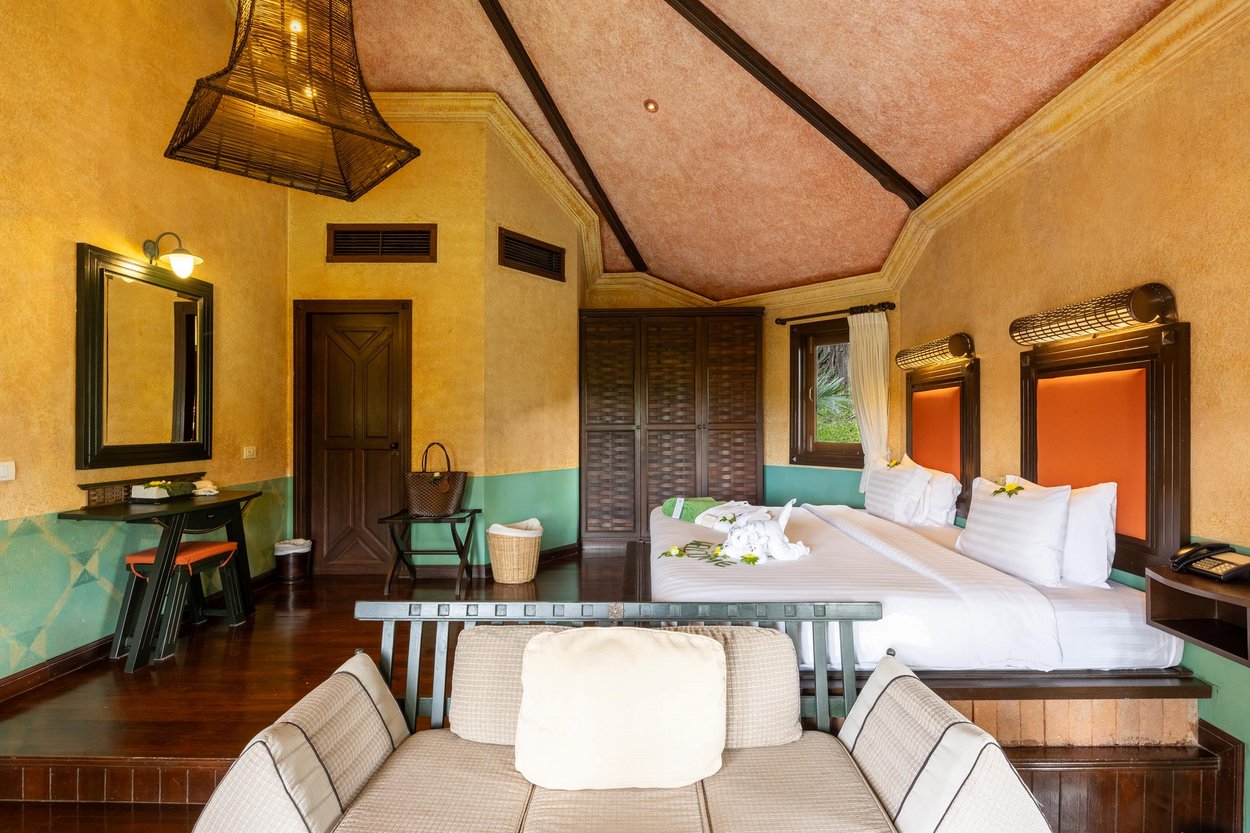
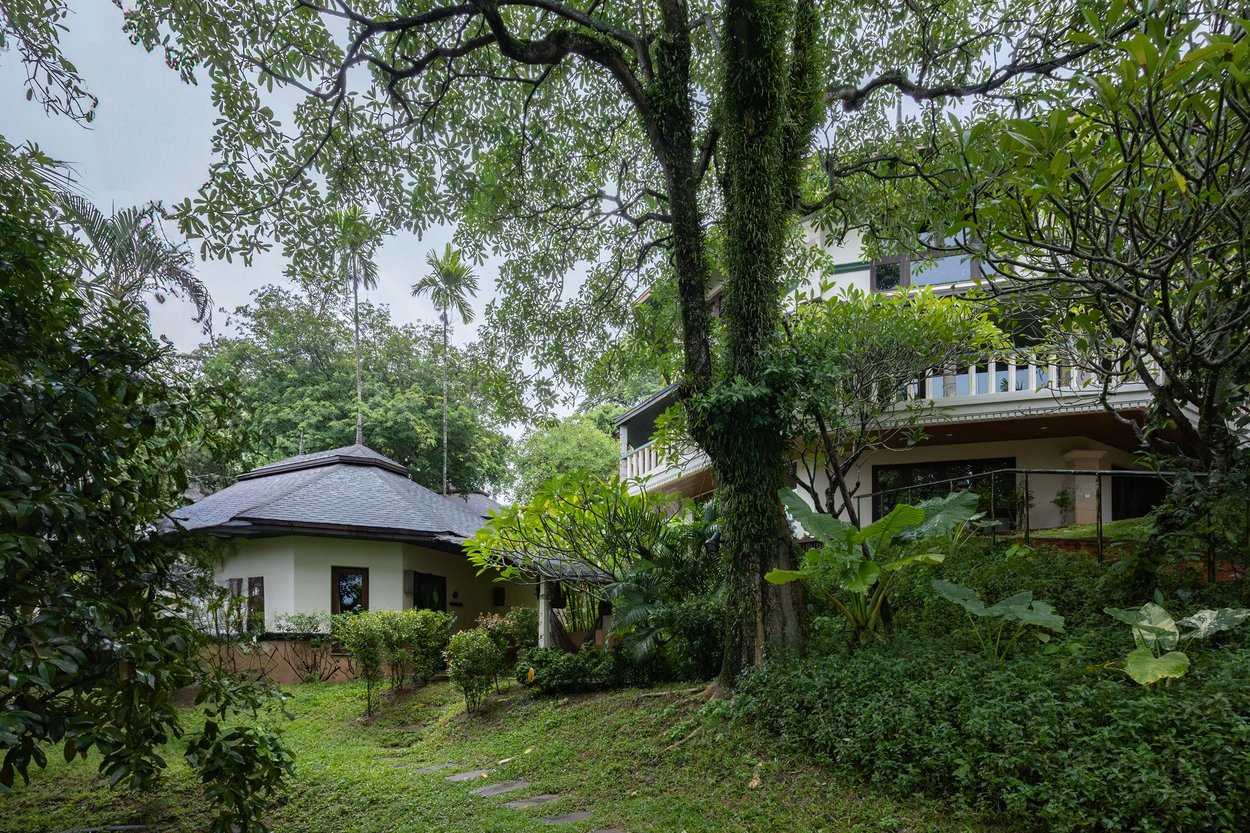
Reading about these rhythms is one thing. Living them is another. At Mangosteen Ayurveda & Wellness Resort, set on the tropical hillside of Rawai in Phuket, guests can experience traditional daily rhythms in a nature-filled setting. Morning yoga takes place in open-air salas, herbal infusions are freshly prepared, and there is time simply to rest and look out over the Andaman Sea. Many guests find these rituals easier to carry home after they’ve felt them firsthand.
For more guides on traditional wellness and gentle living, visit The Mangosteen Magazine.
Frequently Asked Questions
What is the purpose of Dinacharya in Ayurveda?
It is a daily routine that aligns personal habits with the natural day-night cycle. It works as a practical framework for mindfulness, self-care, and daily balance.
How can beginners start?
Add one simple ritual at a time, such as warm water on waking or five minutes of evening foot care. Let the practice grow gradually, without overwhelm.
Do I have to wake before sunrise?
No. Waking even 15 minutes earlier than usual, free of screens, is a perfectly good beginning.
How do morning and evening rituals differ?
Morning rituals awaken the senses through warm drinks, skin care, and movement. Evening rituals slow things down: softer light, lighter food, and quiet preparation for sleep.
How long does a routine take?
A starter routine can take about ten minutes. You can lengthen it as it becomes part of your day.
Disclaimer: This article is for general wellness information only and is not a substitute for professional medical advice, diagnosis, or treatment.
“See more of our interesting activities on YouTube”




The Mangosteen Magazine
Edition 1
