


A bowl of fragrant rice may appear simple at first glance. Yet across many Indian culinary traditions, it represents a careful interplay of aroma, visual presentation, hospitality, and shared presence. Across generations, food has shaped daily rhythms, seasonal celebrations, and community gatherings throughout the Indian subcontinent. While regional recipes vary widely from coastal Kerala to the northern plains, a shared appreciation endures for meals that thoughtfully engage all the senses.
The Role of Fragrance and Flavor
One of the most recognizable characteristics of traditional Indian rice dishes is their layered aromatic profile. Long-grain basmati rice is frequently chosen for its delicate fragrance and light, separate grains when cooked. When prepared alongside whole spices such as green cardamom pods, cinnamon bark, cloves, or star anise, the grains absorb subtle botanical notes long before reaching the table.
In classical culinary practice, tempering whole spices in warm ghee or oil—a technique known as tadka or chaunk—releases essential aromatic compounds into the dish. As warm steam rises from the serving bowl, this fragrance creates quiet anticipation, inviting diners to pause and settle into the present moment before taking their first bite.
A Visual Tradition of Color and Texture
In Indian gastronomy, visual composition carries as much significance as taste. Golden grains tinted with turmeric or saffron, crisp vegetables, fresh coriander leaves, and toasted nuts contribute to an atmosphere of abundance and warm hospitality. Every hue and texture offers contrast, transforming an everyday staple into an expressive culinary centerpiece.
This attention to visual detail reflects a longstanding culinary philosophy explored in traditional texts and historical food studies, such as Food in India [https://www.britannica.com/topic/Indian-cuisine], where harmony between sight, scent, and taste defines the dining table. Rather than treating meals as purely functional fuel, Indian culinary heritage elevates preparation into an accessible daily art form.
What Is the Philosophy Behind Traditional Indian Dining?
Traditional Indian dining approaches eating as an unhurried, sensory, and communal ritual rather than a rushed daily task.
- Multi-Sensory Engagement: Meals are composed to appeal simultaneously to sight, aroma, texture, and taste, encouraging full attention at the table.
- Balanced Taste Profiles: According to classical Indian culinary traditions and Ayurvedic food philosophy, a complete meal thoughtfully combines six foundational tastes—sweet, sour, salty, pungent, bitter, and astringent—to create culinary variety and satisfaction.
- Unhurried Pace: Dining is structured to encourage conversation, mindful chewing, and shared appreciation rather than speed.
- Hospitality as Reverence: Offering well-prepared food to guests is traditionally viewed as an act of respect and warmth, famously reflected in the Sanskrit expression Atithi Devo Bhava ("the guest is equivalent to the divine").
How Do Presentation Details Shape the Meal Experience?
Small, intentional details in tableware and plating establish an atmosphere of calm and occasion during a meal.
- Traditional Serving Vessels: Brass, copper, earthenware, or stainless-steel thali platters organize multiple small portions neatly, allowing diners to experience distinct flavors individually or together.
- Thoughtful Garnishes: Fresh herbs, citrus wedges, and roasted spices add brightness and visual clarity without overwhelming the main dish.
- Natural Materials: Woven placemats, banana leaves in southern traditions, and hand-finished ceramics connect the dining setting with natural textures.
- Uncluttered Arrangement: Leaving visual breathing room around dishes keeps the table serene and inviting.
Mindful Eating in Modern Life
In contemporary routines often dominated by screens and tight schedules, revisiting the unhurried pace of traditional Indian dining offers a practical framework for everyday mindfulness. Setting aside dedicated time to sit down, notice the aroma of freshly cooked grains, and appreciate the effort behind a meal shift eating from an automatic habit into a grounding daily ritual.
According to Ayurvedic philosophy, how one eats is considered just as meaningful as what is placed on the plate. Eating in a calm environment, free from haste, supports a more attentive relationship with food and daily rhythms. Modern behavioral nutrition discussions, including insights shared by Harvard Health Publishing [https://www.health.harvard.edu/staying-healthy/mindful-eating], similarly highlight that slowing down during meals encourages greater awareness of flavor, texture, and personal cues of satisfaction.
An Ayurveda-Inspired Culinary Perspective
At Mangosteen Ayurveda & Wellness Resort in Phuket, Thailand, dining is approached as an integral expression of mindful living and cultural appreciation. Inspired by classical Indian culinary traditions and Ayurvedic principles, selected dishes are prepared with careful attention to natural spices, vibrant colors, balanced tastes, and unhurried presentation.
Rather than treating dining merely as routine sustenance, the resort’s culinary philosophy invites guests to slow down, savor each aroma, and enjoy the quiet pleasure of a thoughtfully prepared meal. Sometimes, a simple bowl of fragrant rice carries centuries of hospitality, craftsmanship, and presence within every grain.
Disclaimer: This article is for informational purposes only and is not a substitute for professional medical advice, diagnosis, or treatment.
“See more of our interesting activities on YouTube”






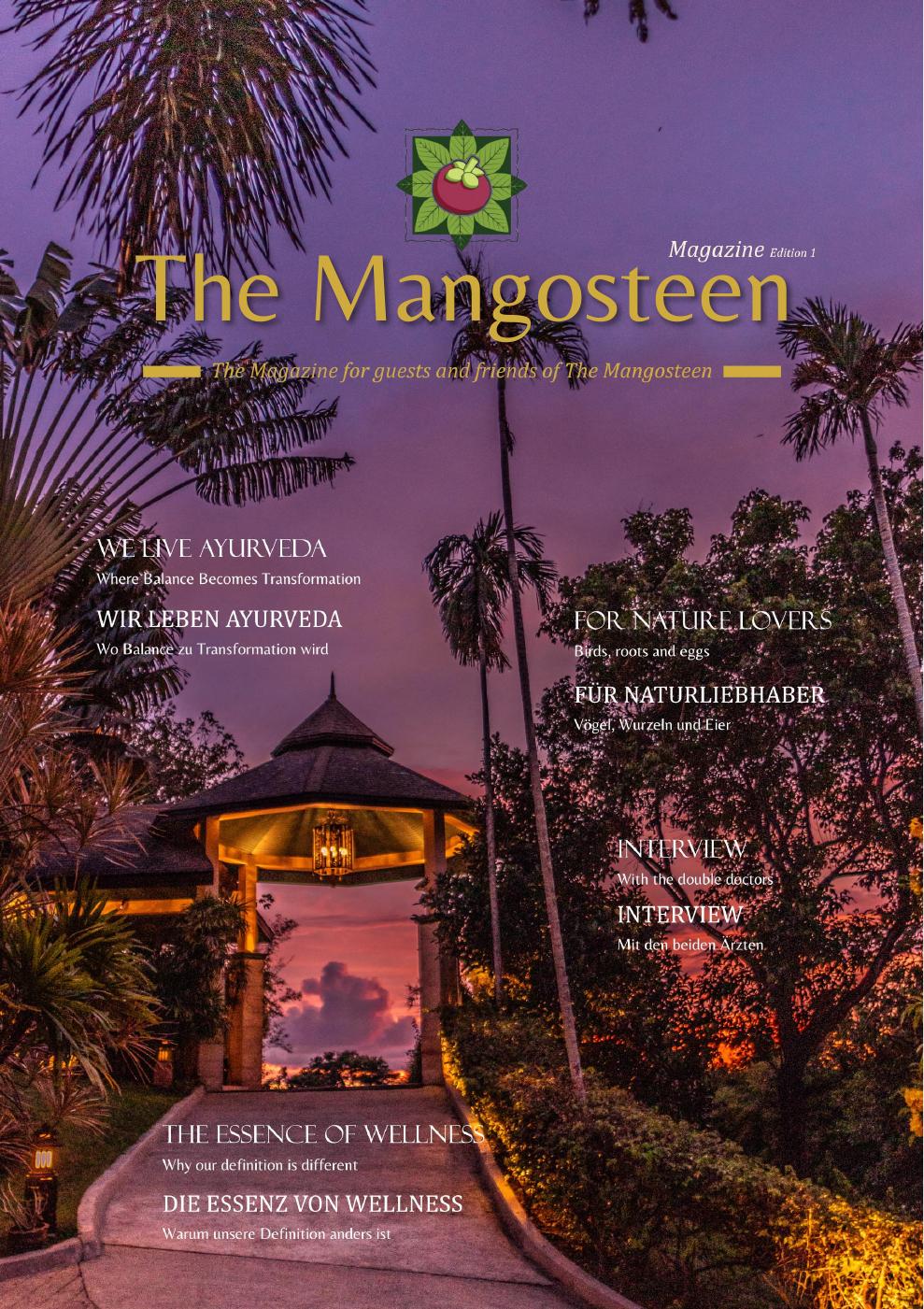
The Mangosteen Magazine
Edition 1
