


Stepping across the threshold of a traditional sanctuary in India or a dedicated wellness retreat often begins with a quiet, unhurried gesture: a gentle touch to the center of the forehead with a blend of fragrant paste or fine powder. Known in Sanskrit as a tilak, bindi, or kumkum application, this time-honored Indian welcoming ritual transcends simple hospitality. Rooted in centuries of cultural heritage and classical Ayurvedic philosophy, the act serves as an intentional pause—an invitation to leave behind the rush of travel and enter a space of quiet presence.
Cultural Origins and the Spirit of Atithi Devo Bhava
In Indian cultural tradition, hospitality is guided by the ancient Sanskrit maxim Atithi Devo Bhava, which translates from the Taittiriya Upanishad [https://www.britannica.com/topic/Upanishad] as "the guest is equivalent to the divine." Rather than treating arrival as a transactional check-in, traditional Indian hosts historically curated sensory rituals to honor a traveler’s journey.
The placement of a mark on the forehead—specifically between the eyebrows—holds deep symbolic value across Indian philosophy and classical texts. In traditional yogic and Ayurvedic frameworks, this area is referred to as the Ajna center, often described in classical literature as the seat of intuition, focus, and inner awareness. By gently anointing this point upon arrival, a host offers a gesture of respect, goodwill, and peaceful welcome.
Ayurvedic Philosophy and Botanical Traditions
Within classical Ayurvedic tradition, sensory impressions—what we see, smell, hear, and feel—are considered foundational to how we experience our surroundings. According to principles outlined in classical Ayurvedic texts [https://www.ncbi.nlm.nih.gov/pmc/articles/PMC3336651/], mindful daily routines and sensory rituals are used to cultivate a sense of groundedness and calm awareness.
Traditionally, the materials chosen for the welcoming mark are selected from natural botanicals and earth minerals valued in Indian households for their cooling aromas and tactile simplicity:
- Sandalwood Paste (Chandan): Prepared by rubbing sandalwood against a damp stone, this pale, creamy paste carries a soft, woody fragrance traditionally associated with quiet contemplation and a sense of coolness in warm climates.
- Turmeric and Lime Powder (Kumkum): Vibrant crimson powder crafted from dried turmeric root and a touch of slaked lime, historically used in ceremonial welcomes to symbolize auspiciousness and warmth.
- Sacred Ash (Vibhuti): Fine, soft ash traditionally used in monastic and spiritual settings as a symbol of simplicity, humility, and letting go of external distractions.
- Rosewater and Saffron: Occasionally blended into sandalwood paste to add a subtle floral note, enhancing the sensory transition from the outside world into a tranquil environment.
What Is the Purpose of the Ayurvedic Forehead Welcome Ritual?
- A Gesture of Reverence: Rooted in the philosophy of Atithi Devo Bhava, the ritual honors the guest with warmth, dignity, and genuine human connection.
- A Mindful Transition: The gentle touch between the eyebrows invites the traveler to pause, take a slow breath, and step out of the pace of transit into a slower rhythm.
- Sensory Grounding: The subtle aroma of sandalwood or rosewater engages the senses softly, encouraging present-moment awareness upon arrival.
How Does Traditional Ayurveda View the Space Between the Eyebrows?
- The Ajna Center: In classical Indian philosophy, the point between the eyebrows is regarded as the focal point of perception, concentration, and inward attention.
- A Focal Point for Stillness: Placing a cool drop of herbal paste on this area serves as a physical reminder to soften one's gaze and settle into a quiet, unhurried state of mind.
- Symbolic Balance: Rather than focusing on external outcomes, the gesture represents a symbolic alignment of thought and presence as one begins a period of rest.
Integrating the Ritual Into Modern Mindful Travel
Today, luxury retreats and wellness destinations inspired by authentic Indian heritage preserve this welcoming custom not as a theatrical performance, but as an authentic expression of slow living. In a fast-paced digital era where travel often involves constant screens, schedules, and sensory overload, a simple, unhurried human gesture carries renewed resonance.
When a guest arrives at a tranquil sanctuary—such as an award-winning Ayurveda and wellness resort in Phuket [https://www.mangosteen-ayurveda.com]—the forehead welcome ritual marks a clear boundary between everyday obligations and personal time. Paired with a cool herbal towel and a cup of warm spiced infusion, the gentle application of sandalwood or kumkum encourages travelers to set down their luggage—both literal and mental—and embrace an unhurried pace.
For those wishing to bring a similar sense of intentional transition into daily life at home, the philosophy behind the ritual can be adapted in simple, accessible ways:
- Create an Arrival Pause: Upon returning home from work or travel, take sixty seconds to wash your hands and face with cool water before checking messages or beginning household tasks.
- Engage Calming Aromas: Keep a small bottle of pure sandalwood or rose hydrosol near your entryway to mist the air, using scent as a gentle cue to shift from outward activity to quiet rest.
- Practice Unhurried Presence: Welcome family members or houseguests with undivided attention, a warm greeting, and a moment of stillness before diving into conversation.
A Quiet Beginning to Personal Renewal
The Indian Ayurvedic forehead welcome is a study in subtle elegance. It requires no elaborate ceremony—only a fingertip of fragrant earth paste, a respectful bow, and a moment of shared stillness. By honoring the simple act of arrival, this enduring tradition reminds us that meaningful rest begins the very moment we choose to slow down and be present.
“See more of our interesting activities on YouTube”






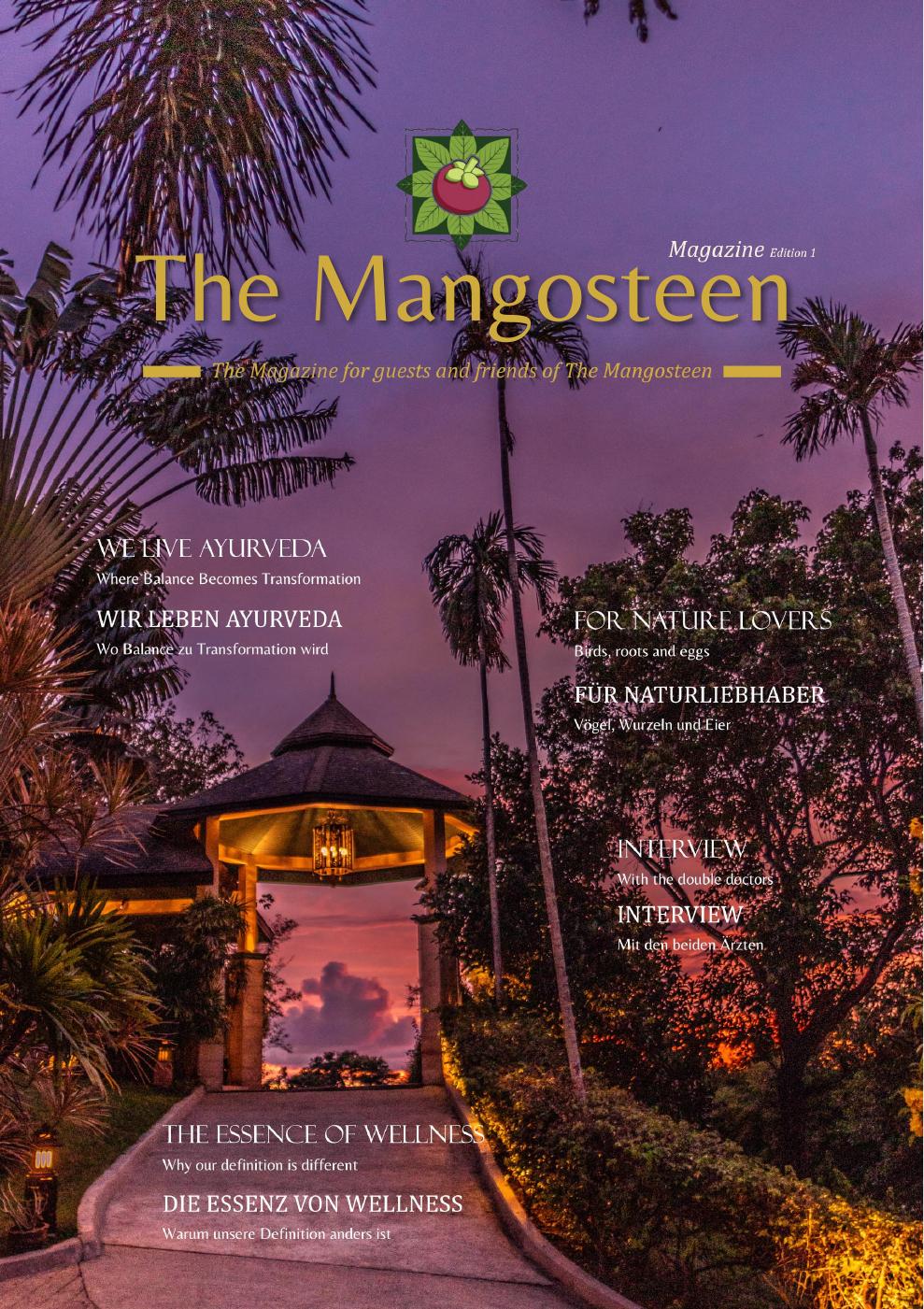
The Mangosteen Magazine
Edition 1
