


An Ayurvedic and Modern Science Guide
In modern wellness circles, hearing the word "cholesterol" usually triggers immediate anxiety. We often treat it as a villain to be eradicated. However, the ancient wisdom of Ayurveda views cholesterol, or its relationship with Meda Dhatu (lipid tissue), through a much more nuanced lens. In its pure, balanced state, this fatty substance is essential. It lubricates the body’s intricate circulatory channels, known as Shrotas, keeping them flexible, resilient, and functioning perfectly.
The real trouble begins when your Agni (digestive fire) weakens. When digestion stalls, it leaves behind a sticky, toxic metabolic residue called Ama. When Ama accumulates over time without being cleared, it intensifies into a highly reactive, dangerous toxin known as Amavisha. When Amavisha infiltrates your fat tissue, it clogs and hardens the Shrotas, causing what modern medicine diagnoses as high LDL (bad) cholesterol, plaque buildup, and cardiovascular strain.
To lower your cholesterol naturally, you do not need to starve your body or rely entirely on aggressive interventions. Instead, you can pacify Kapha Dosha—the bodily principle governing structure and fluid balance—by incorporating specific bitter, astringent, and fiber-rich vegetables into your meals.
Modern clinical research heavily supports this approach, proving that the right plant-based foods effectively bind to cholesterol in the digestive tract and flush it out before it enters your bloodstream. Let us explore five exceptional, science-backed vegetables that function as internal cleansers to restore harmony to your cardiovascular health.
1. Broccoli (Cruciferous Cleaners)
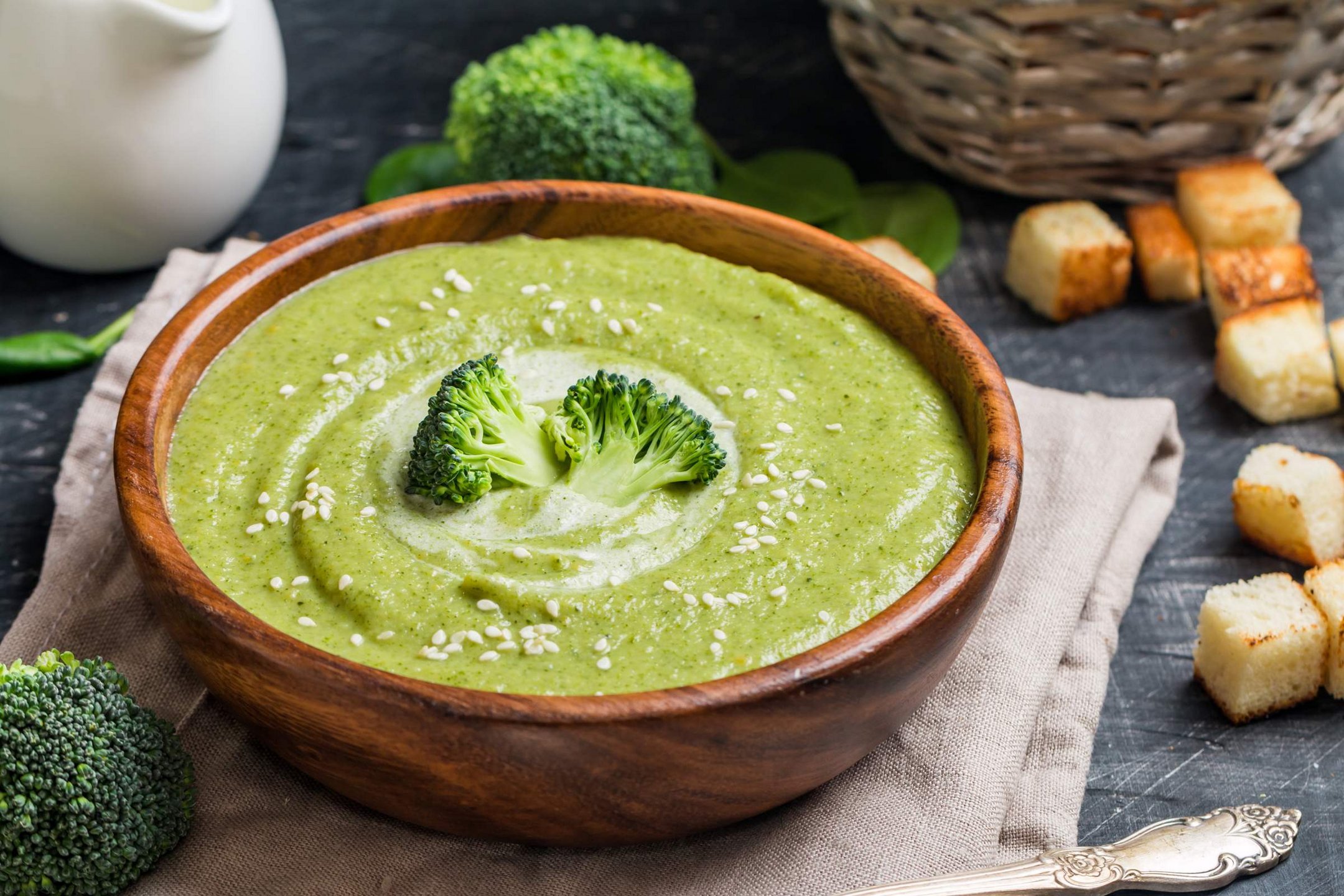
Broccoli is a premier vegetable for targeting both Amavisha and elevated LDL levels. From an Ayurvedic standpoint, its astringent and bitter qualities make it an excellent Kapha-pacifying food that helps scrap away heavy, stagnant accumulations in the tissue layers.
Modern science reveals that broccoli is packed with soluble fiber and a powerful compound called glucoraphanin. When digested, this converts into sulforaphane, an antioxidant that significantly reduces systemic inflammation and protects the lining of your blood vessels. The high concentration of soluble fiber acts like a sponge in your gut, binding securely to bile acids (which your liver creates using circulating cholesterol) and eliminating them through the bowel. This forces your liver to draw excess LDL cholesterol out of your bloodstream to manufacture fresh bile, naturally lowering your overall numbers.
2. Spinach (The Bitter Detoxifier)
Deep, leafy greens like spinach are celebrated in Ayurveda for their potent bitter taste, which directly stimulates liver function and purifies the blood (Rakta Dhatu). Spinach acts as a natural sweeping mechanism for the colon, preventing Ama from settling into the eliminative tract where it could otherwise be reabsorbed into the system.
From a biomedical perspective, spinach is a rich source of lutein and other carotenoids, which have been clinically shown to prevent cholesterol from oxidizing in the arteries. Oxidized cholesterol is what forms dangerous arterial plaque, so keeping it stable is vital for heart safety. Furthermore, spinach contains plant sterols—naturally occurring compounds that mirror the structure of cholesterol. These sterols compete directly for absorption in your intestines, effectively blocking a significant portion of dietary cholesterol from ever crossing into your bloodstream.
3. Okra / Ladies' Fingers (The Mucilaginous Binder)
While some people shy away from the unique, slippery texture of okra, that exact mucilage is its greatest health asset. In Ayurvedic terms, properly cooked okra provides a gentle, cooling element that calms irritated Pitta while its astringent qualities help dry up excess, heavy Kapha fluids that lead to sluggish lipid metabolism.
Biomedical research confirms that the thick gel inside okra consists entirely of soluble fiber and mucilage. This gel binds tightly to cholesterol and bile acids in the intestinal tract during digestion. Because the gel cannot be broken down by human enzymes, it carries the trapped cholesterol completely out of the body through waste elimination. Regular consumption of okra ensures a steady, gentle daily detox that directly reduces serum cholesterol levels without taxing your digestive organs.
4. Kale (The Ultimate Shrotas Scrubber)
As a heavy-hitting member of the cruciferous family, kale possesses a strong combination of bitter and astringent tastes. This profile makes it highly efficient at balancing Kapha and firing up the metabolic processes within the tissues (Dhatu Agni). It works directly to clear stubborn, long-standing Amavisha out of the micro-circulatory channels.
Science shows that kale is incredibly effective at increasing bile acid binding. In clinical settings, steamed kale demonstrates an exceptional ability to bind up to 43% as much bile acid as cholestyramine (a pharmaceutical cholesterol-lowering medication). By clearing these bile acids so aggressively, kale prompts a rapid turnover of cholesterol in the liver, drastically reducing the concentration of circulating bad cholesterol in your plasma.
5. Garlic (The Pungent Agni Igniter)
Though botanically an allium rather than a standard green vegetable, garlic is an indispensable therapeutic tool in both traditional and modern medicine. Ayurveda classifies garlic as pungent and warming, making it a master remedy for instantly stimulating a sluggish Agni. It breaks down cold, sticky Ama molecules and liquefies structural blockages within the deep vascular pathways.
Modern cardiology intensely studies garlic for its active organosulfur compound, allicin. Clinical trials have repeatedly demonstrated that allicin inhibits HMG-CoA reductase—the exact liver enzyme responsible for synthesizing cholesterol (the same enzyme targeted by statin medications). By naturally slowing down the liver’s internal production of cholesterol and simultaneously preventing platelet aggregation, garlic assists in keeping your blood flowing smoothly and your arteries completely clear.
Balancing Your Lipids the Holistic Way
While modifying your daily diet with these five incredible vegetables is an excellent foundation, true cardiovascular rejuvenation requires a comprehensive lifestyle shift. If you are seeking a profound reset for your heart health and overall vitality, the most effective path is an immersive, professionally guided wellness journey.
Nestled on a peaceful hillside in Phuket, Thailand, The Mangosteen Ayurveda & Wellness Resort offers an authentic sanctuary designed specifically for deep cellular detoxification. Under the expert care of our resident Ayurvedic doctors, we design fully personalized wellness programs that target the root causes of metabolic imbalances.
Through gentle, specialized Panchakarma cleansing therapies, customized Kapha-balancing nutrition, and daily yoga practices, we help your body flush out deep-seated Amavisha, restore your vital Agni, and bring your lipid tissues back into perfect harmony. It is a peaceful, life-changing retreat where ancient holistic science meets blissful tropical relaxation.
“See more of our interesting activities on YouTube”