



Quick answer
Is Thailand a good destination for Ayurveda? Yes, if you choose a retreat where Ayurveda is the core of the program rather than an item on a spa menu. Thailand does not replace Kerala or Sri Lanka. It offers a different combination: doctor-guided, personalized Ayurveda together with Thai hospitality, private resort accommodation, yoga, fitness and a tropical setting.
How to choose between the three:
- Kerala (India): the historic heartland of Ayurveda. Best for guests who prioritise tradition and immersion.
- Sri Lanka: a long-established island Ayurveda tradition with a strong specialist resort culture. Best for guests who want Ayurveda within that tradition.
- Phuket (Thailand): Ayurveda combined with a developed international resort destination. Best for guests who want a serious program without giving up comfort, privacy and the wider experience of Thailand.
Where do people usually go for Ayurveda?
Two destinations usually come to mind first: India, particularly Kerala, and Sri Lanka. For good reason. Ayurveda originated in India, and Sri Lanka developed its own deeply established Ayurveda tradition over many centuries. Kerala Tourism promotes Ayurveda and Panchakarma as an important part of the state's culture, and Sri Lanka Tourism describes Ayurveda as firmly embedded in the country's wellness tradition. [Source: Kerala Tourism; Sri Lanka Tourism]
So why consider Thailand? Not as a replacement, but as another option: authentic, personalized Ayurveda combined with the comfort, hospitality and tropical lifestyle of one of Asia's most established international holiday destinations.
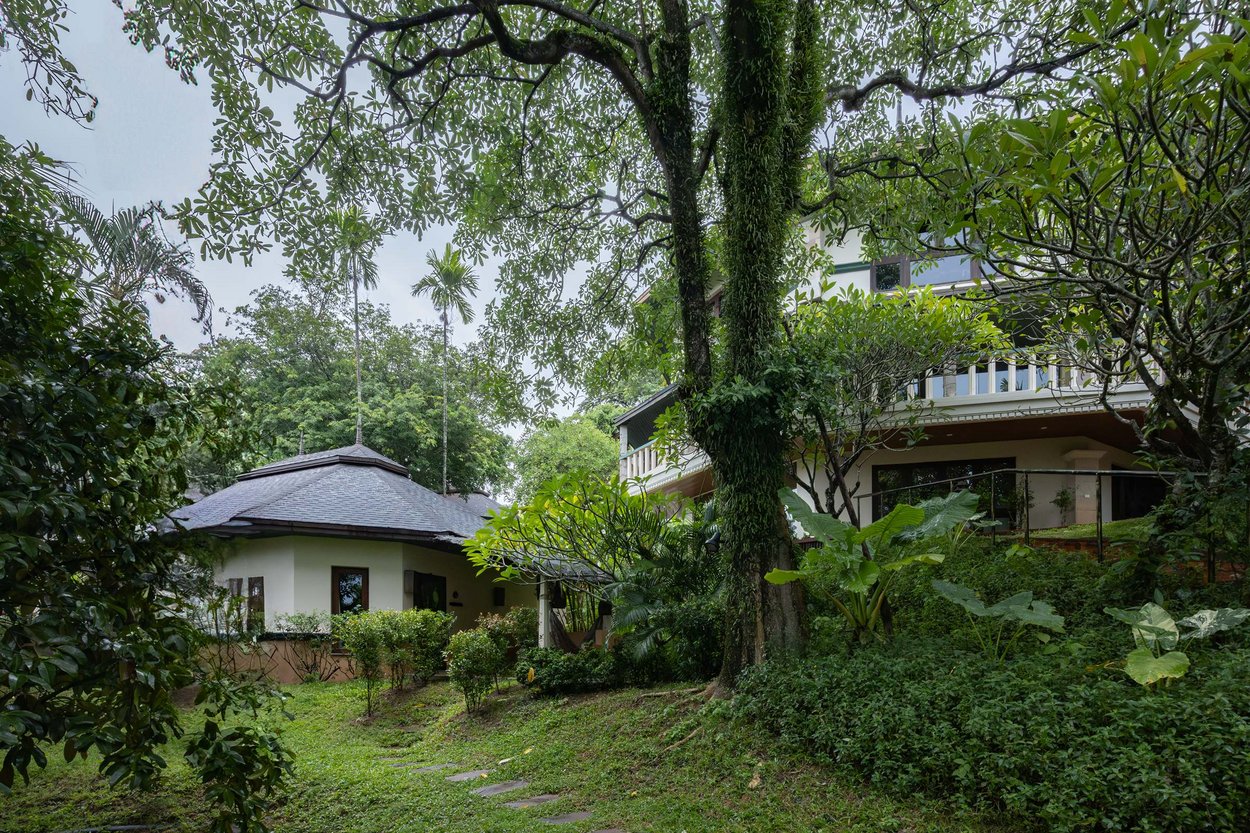
At Mangosteen Ayurveda & Wellness Resort in Phuket, that means doctor-guided Ayurveda, individual treatment plans, daily treatments, Ayurveda cuisine and yoga, in a private villa surrounded by tropical gardens.
What is Ayurveda, and what is Panchakarma?
Ayurveda is a traditional system of medicine and wellbeing that originated in India. It looks at the individual as a whole and adapts treatments, nutrition, daily routine and lifestyle to the person, rather than applying one standard approach.
Panchakarma is one of Ayurveda's best-known practices. The term describes a structured, doctor-guided process of cleansing and rejuvenation, not a single treatment. The appropriate program and its length are determined individually after a consultation.
“Ayurveda is not only about healing the body – it is about rediscovering balance in the way we live.”
— Dr. Nezeem K. U., Ayurveda doctor, Mangosteen Ayurveda & Wellness Resort
Is Ayurveda in Thailand authentic?
It can be. Authenticity does not depend on geography alone. Location matters for tradition and heritage, but the quality of an Ayurveda retreat also depends on:
- who guides the program, and with what qualifications
- how personalized the program is
- how treatments are selected and adjusted during the stay
- how nutrition is integrated
- how consistently Ayurvedic principles are followed throughout the stay
At Mangosteen, every Ayurveda program begins with an individual consultation with one of two resident Indian BAMS-qualified Ayurveda doctors. Treatments, nutrition and activities are then adapted to the guest rather than following a single standard program. For example, the AyurYoga Panchakarma program includes doctor consultations, approximately two hours of Ayurveda treatments daily, Ayurveda meals and two yoga sessions a day. [Source: Mangosteen Resort]
There is a considerable difference between a resort that lists an Ayurvedic massage on its spa menu and a retreat where Ayurveda determines the structure of the stay. Whether in Thailand, Sri Lanka or India, that is one of the first things to check.
Thailand, Kerala or Sri Lanka for Ayurveda: how do they compare?
There is no universally “best” destination. Each offers a different kind of Ayurveda experience.
Phuket, Thailand | Kerala, India | Sri Lanka | |
|---|---|---|---|
| Ayurveda heritage | Brought to Thailand by trained practitioners | Historic heartland of Ayurveda | Long-established local tradition |
| Retreat style | Boutique resorts and wellness settings | From traditional centres to luxury retreats | Strong specialist Ayurveda resort culture |
| Best suited to | Ayurveda plus a tropical resort lifestyle | Tradition and immersion | Ayurveda within an established island tradition |
| Accommodation | Strong resort and private-villa options | Very broad range | Strong selection of specialist retreats |
| Activities around the retreat | Beaches, hiking, yoga, fitness, culture, restaurants, excursions | Culture, nature, backwaters, beaches (depending on location) | Beaches, nature, wildlife, culture |
| Panchakarma | Available at specialist Ayurveda retreats | A major traditional strength | Widely available |
| International tourism infrastructure | Very well developed | Varies considerably by location | Well established |
Kerala Tourism describes Panchakarma as a core Ayurveda practice and links Ayurveda closely to the state's traditional identity. Sri Lanka's official tourism authority describes specialist Ayurveda resorts where guests commonly stay two or three weeks, with individually designed treatments, vegetarian food, yoga and meditation. [Source: Kerala Tourism; Sri Lanka Tourism]
Thailand should not try to imitate either destination. Its strength is the combination.
Why does Phuket work well for a longer Ayurveda retreat?
An Ayurveda stay of one, two or three weeks is very different from a normal holiday. You are not just choosing treatments; you are choosing where you will live your daily routine for an extended period, so the surroundings matter.
Phuket is one of Thailand's most established international destinations, combining beaches, tropical landscapes, restaurants, culture and a broad range of activities. The Tourism Authority of Thailand highlights Rawai, Nai Harn and Promthep Cape among the attractions of southern Phuket and notes the island's extensive travel infrastructure. [Source: Tourism Authority of Thailand]
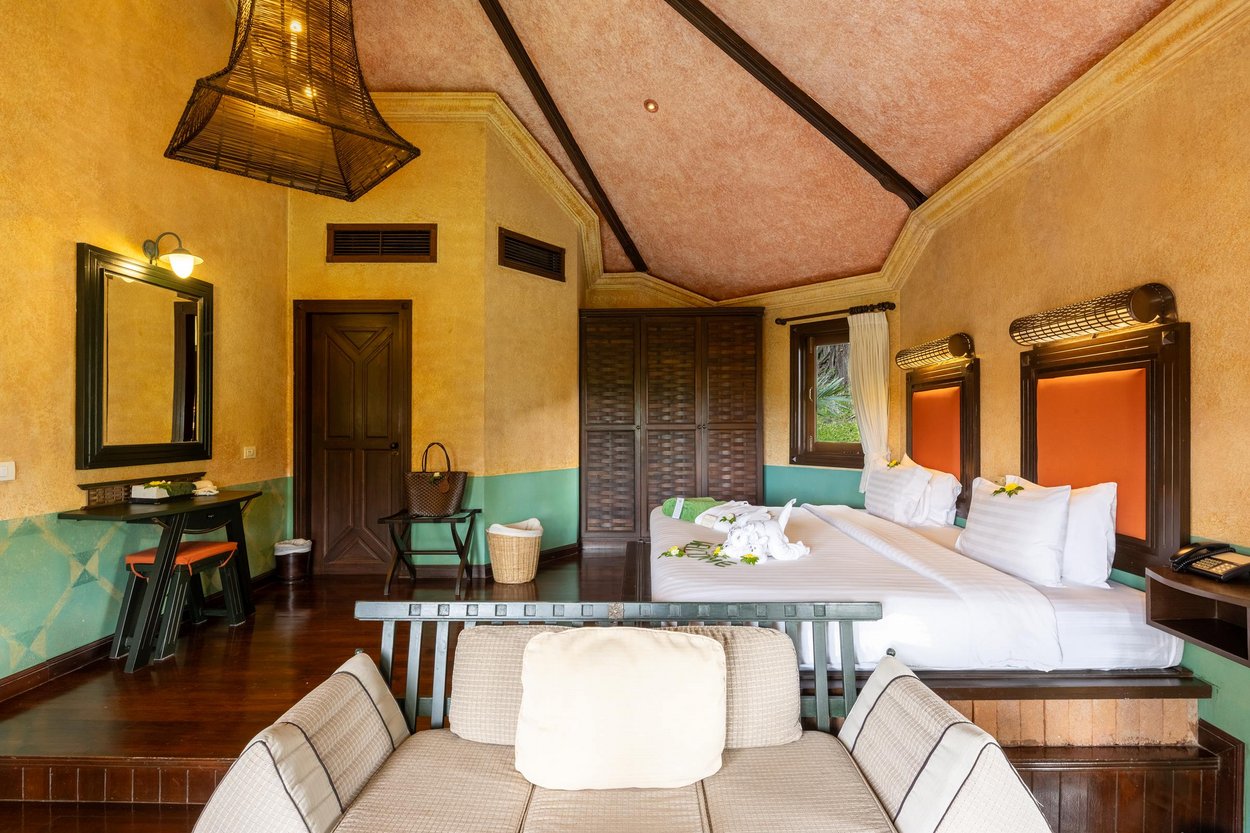
Mangosteen is an adults-only resort on a hillside in Rawai, southern Phuket, intentionally set away from the busiest areas, with 47 private villas in tropical gardens. [Source: Mangosteen Resort] Guests get space to withdraw and the option to engage with Phuket when they wish: a walk, time by the pool, a workout, a local market or Phuket Old Town. Over a longer stay, that variety matters.
What does a day on an Ayurveda retreat look like?
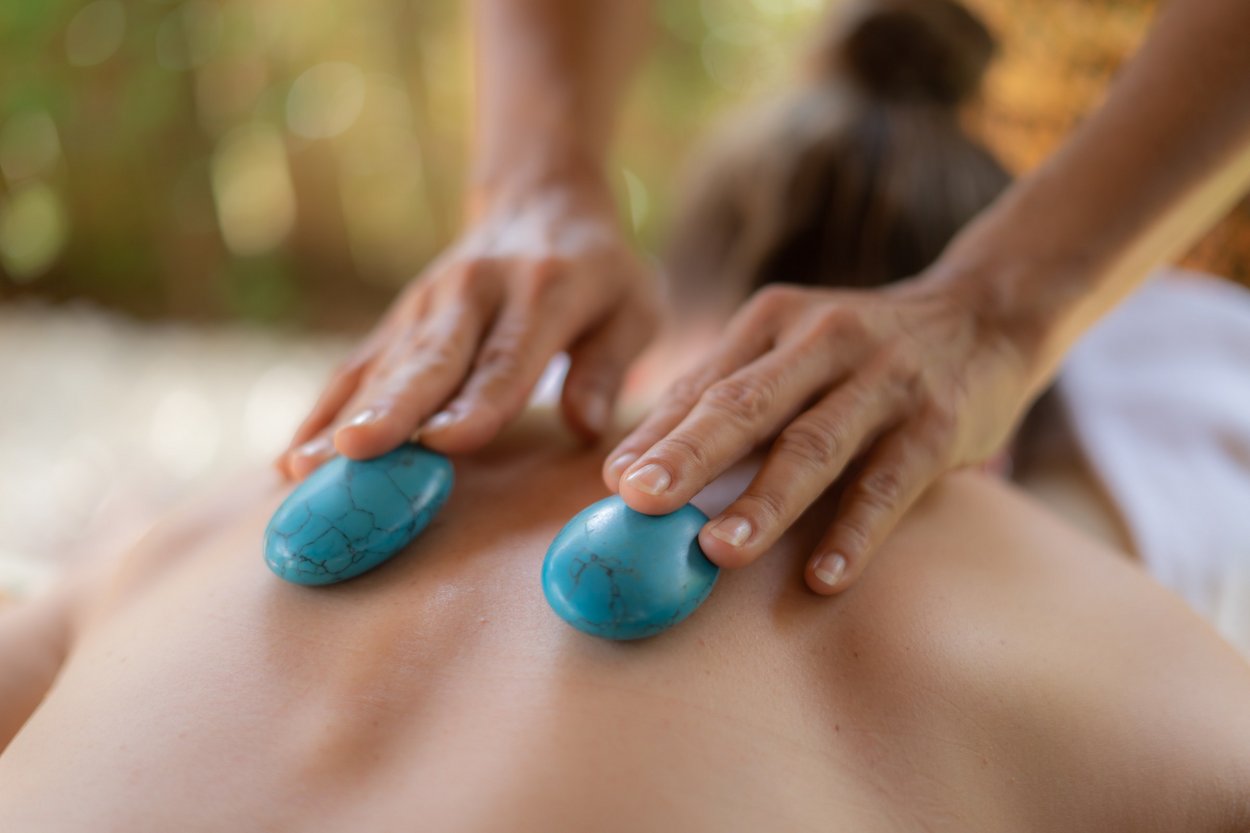
Traditional Ayurveda asks for routine, attention and time, but that does not have to mean weeks in a clinical environment. At Mangosteen, Ayurveda is at the center of the stay and resort life supports it. A day might include:
- a personalized Ayurveda treatment program
- consultations and progress reviews
- Ayurveda-Satvik meals
- morning and afternoon yoga
- meditation or pranayama
- gentle movement or fitness
- time in the tropical gardens or saltwater pool
- walks and hikes around southern Phuket
- workshops and cultural activities
The aim is not to fill every hour. A good retreat provides enough structure to support the program and enough space to slow down.
How long should a Panchakarma retreat in Thailand be?
The right length depends on your goals, health and the program recommended at your consultation. At Mangosteen, AyurYoga Panchakarma starts from seven nights, deeper Ayurveda programs start at 14 nights, and the Ayurveda Wellbeing Retreat extends to 28 nights. [Source: Mangosteen Resort] As a general guide:
- 7 nights: a practical entry point for guests with limited time, with an individually designed Panchakarma program.
- 14 nights: more time to settle into the routine, with treatments, nutrition and daily yoga working together.
- 21 nights or longer: suited to guests who deliberately want to step away from their normal routine and make Ayurveda the focus of their stay.
Longer is not automatically better for everyone. The program should fit the individual guest, which is why the initial consultation matters.
→ [Explore our AyurYoga Panchakarma retreat in Phuket]
Is the monsoon season a good time for Ayurveda in Phuket?
It can be, particularly for guests whose main reason for travelling is Ayurveda rather than guaranteed beach weather.
In Kerala, Ayurveda has a long association with the rainy season. Kerala Tourism describes the monsoon as traditionally connected with rejuvenation and says the Karkidakam period in July and August is particularly associated with Ayurveda therapies and Panchakarma. [Source: Kerala Tourism] That does not mean Phuket's monsoon carries the same tradition, or that rain makes a treatment more effective. The advantage in Phuket is practical: from April to October the island is greener and quieter, and Mangosteen has fewer guests, which allows more flexible treatment scheduling, more consultation availability and a calmer resort rhythm.
Mangosteen calls this period its Ayurveda Intensive Season. Additional experiences may include Ayurveda cooking, guided hikes, yoga at Nai Harn Beach, Indian head massage workshops, pranayama and singing-bowl meditation. [Source: Mangosteen Resort]
Phuket stays tropical all year, with sunny days, showers and occasionally prolonged rain. For a guest whose days revolve around treatments, yoga, meals and rest, that is a different proposition from a conventional beach holiday.
→ [Discover the Ayurveda Intensive Season]
Who should consider Thailand for an Ayurveda retreat?
Thailand may suit you if you want:
- Authentic Ayurveda without a clinical atmosphere: privacy, comfort and an intimate resort setting alongside a serious program.
- Ayurveda combined with yoga and movement: daily yoga, meditation, hiking and fitness complement the rhythm of the retreat.
- A destination for a two- or three-week stay: outside treatment hours there is still plenty to see and do.
- A retreat with a partner: couples don't always share the same goals. Phuket makes it easy for one partner to follow a more intensive program while both enjoy the destination.
- A tropical setting with variety: beaches, hills, markets, temples, Old Phuket Town and outdoor activities.
- An Ayurveda retreat within Southeast Asia: for travellers from Singapore, Hong Kong, Australia and other Asia-Pacific markets, Phuket is an alternative to travelling to India or Sri Lanka.
What should you look for when choosing an Ayurveda retreat in Thailand?
“Ayurveda” is used very broadly in the wellness industry. Before booking, ask:
- Who conducts the Ayurveda consultation, and what are their qualifications?
- Is the program personalized or fixed?
- Are treatments adjusted during the stay?
- Is nutrition integrated into the program?
- How much treatment time is included each day?
- Is yoga part of the program, or an optional hotel activity?
- Can the retreat accommodate longer stays?
- Does the environment let you keep to the recommended routine?
The answers say far more than the number of Ayurvedic massages on a spa menu.
Mangosteen Ayurveda & Wellness Resort at a glance
| Location | Rawai, southern Phuket, Thailand |
|---|---|
| Type | Adults-only Ayurveda & wellness resort |
| Accommodation | 47 private villas in tropical gardens |
| Ayurveda doctors | Two resident Indian BAMS-qualified doctors |
| Ayurveda at the resort since | 2010 |
| Programs | Wellness stays; AyurYoga Panchakarma from 7 nights; deeper programs from 14 nights; Ayurveda Wellbeing Retreat up to 28 nights |
| Daily program (AyurYoga Panchakarma) | Doctor consultations, about 2 hours of Ayurveda treatments, Ayurveda meals, two yoga sessions |
| Ayurveda Intensive Season | April to October |
[Source: Mangosteen Resort]
Mangosteen has evolved from a family-owned boutique resort in Phuket into a destination where Ayurveda, yoga and restorative living are at the centre of the experience. It does not try to recreate Kerala in Phuket. Instead, it brings experienced Indian Ayurveda practitioners and traditional principles into a Thai resort setting.
For some guests, Kerala will be the right answer. For others, Sri Lanka. For those who want authentic, doctor-guided Ayurveda combined with tropical living, Phuket offers a compelling third choice.
Ready to explore Ayurveda in Thailand?
Discover our personalized Ayurveda programs in Phuket, from 7-night Panchakarma retreats to extended 14- and 28-night programs.
[Explore Ayurveda Retreats] [Discover Panchakarma] [Request Your Personalised Programme]
FAQ: Ayurveda retreats in Thailand
Is Thailand a good destination for Ayurveda?
Yes, provided you choose a retreat where Ayurveda is a core specialty rather than part of the spa menu. Thailand combines experienced Ayurveda practitioners with excellent resort infrastructure and a rich destination experience.
Is Ayurveda in Thailand authentic?
It can be. Judge it by practitioner qualifications, the consultation process, personalization, treatments, nutrition and the overall structure of the program, not by country alone.
Is Panchakarma available in Phuket?
Yes. At Mangosteen, the doctor-guided AyurYoga Panchakarma program is available from a minimum stay of seven nights and includes a personalized consultation, daily Ayurveda treatments, Ayurveda meals and twice-daily yoga. [Source: Mangosteen Resort]
Should I choose Thailand, Kerala or Sri Lanka for Ayurveda?
Choose according to the experience you want. Kerala offers Ayurveda in its historic Indian heartland. Sri Lanka has a deeply established Ayurveda culture and specialist resort tradition. Phuket suits guests who want authentic Ayurveda combined with privacy, resort comfort and the broader experience of Thailand.
What is the best time for an Ayurveda retreat in Phuket?
Ayurveda programs can be enjoyed year-round. November to March is Phuket's traditional high season. April to October is Mangosteen's Ayurveda Intensive Season, when the resort is quieter and offers more scheduling flexibility and additional retreat experiences. [Source: Mangosteen Resort]
How long should I stay?
It depends on your goals and program. Mangosteen offers wellness stays from a few nights, Panchakarma from seven nights, deeper Ayurveda programs from 14 nights and a 28-night Ayurveda Wellbeing program. [Source: Mangosteen Resort]
Is Phuket's rainy season a bad time for an Ayurveda retreat?
Not necessarily. The resort is quieter and greener, and treatment scheduling is more flexible. Rain does not make treatments more effective, but for guests focused on the program rather than the beach, it can be a good time to stay.
** Ayurveda Guide · Updated October 2026 · Reviewed by the Mangosteen Ayurveda Team
“See more of our interesting activities on YouTube”



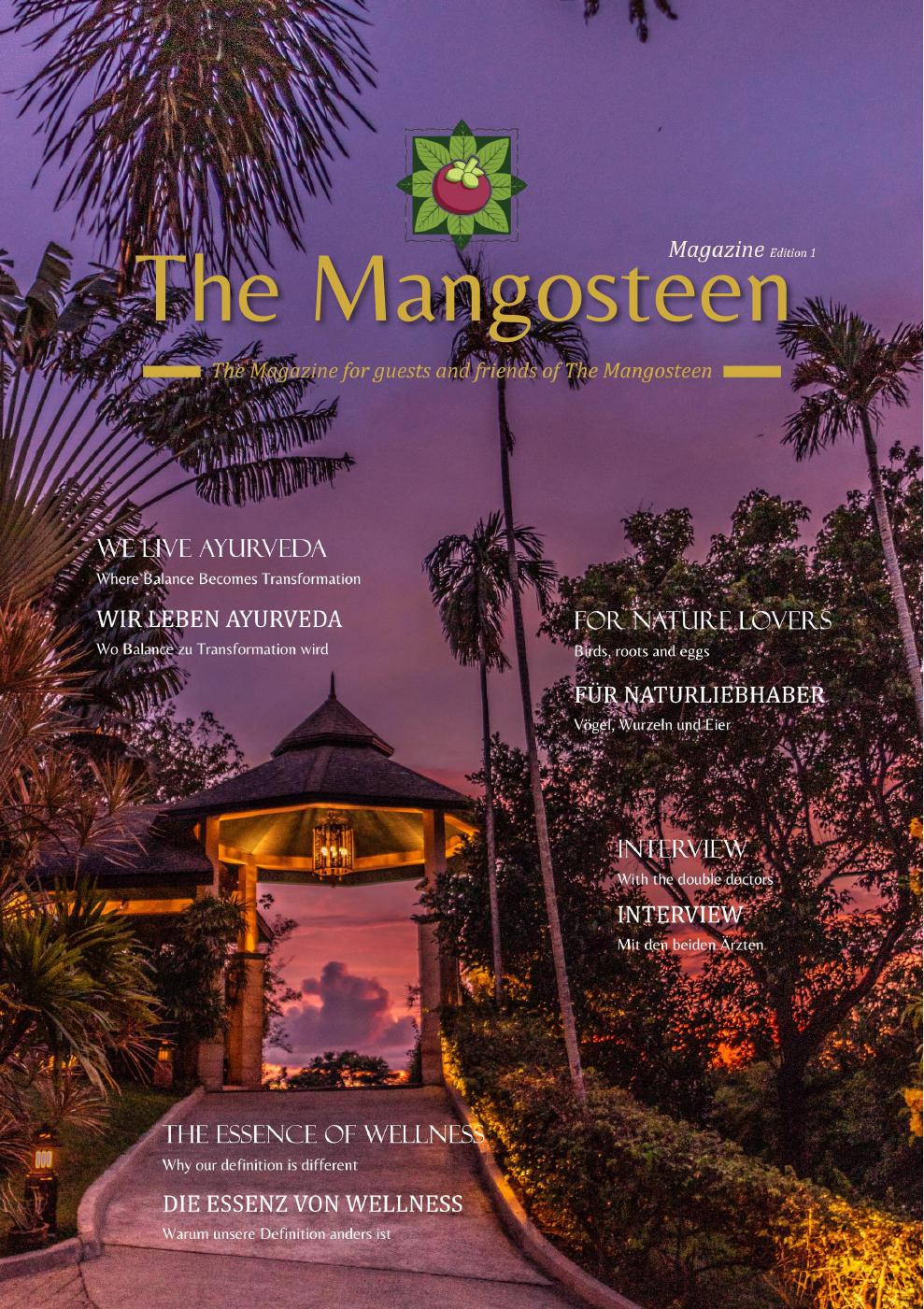
The Mangosteen Magazine
Edition 1
