


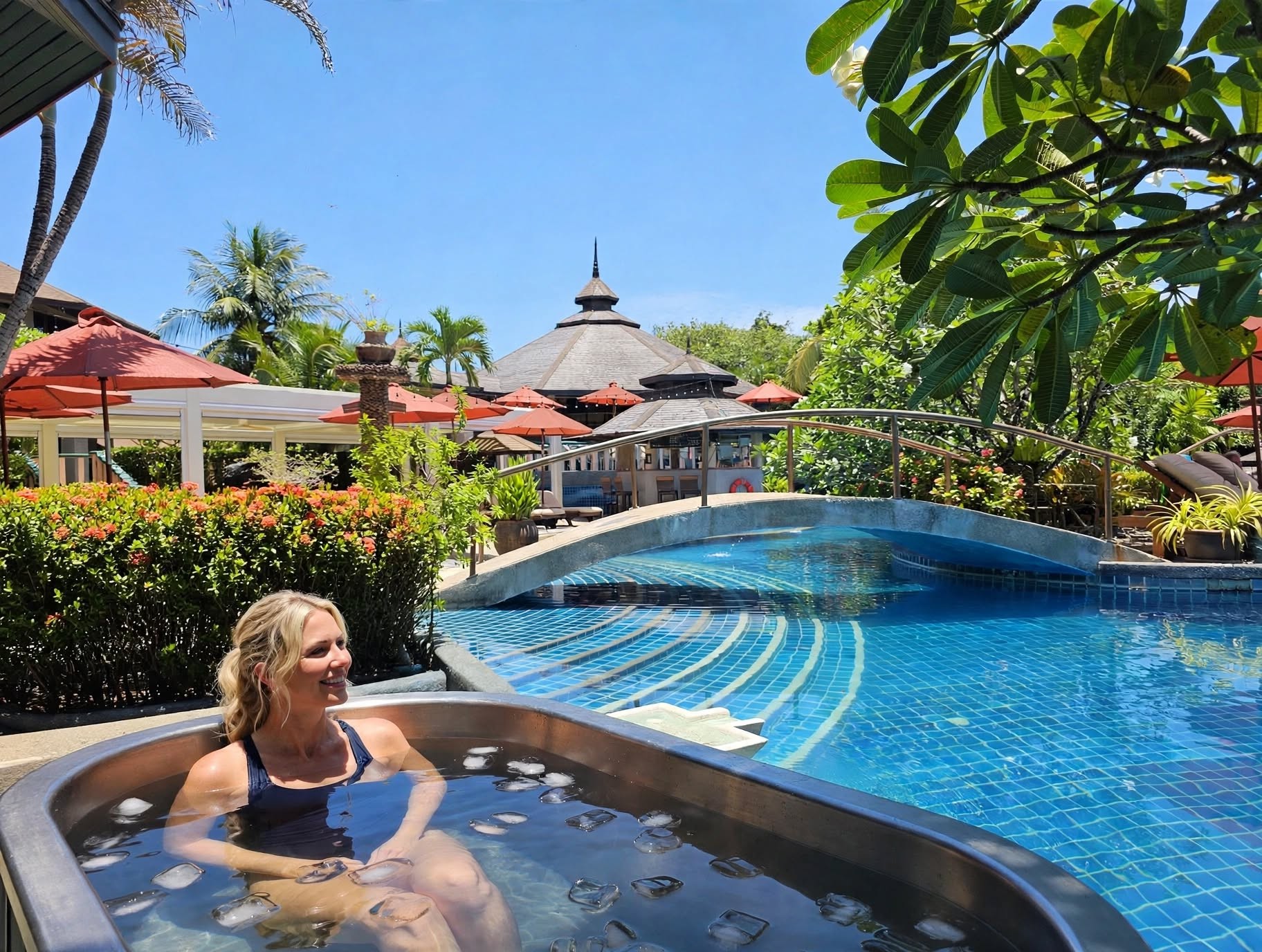
Exploring Temperature, Awareness, and the Nervous System
The instant the body encounters cold water, instinct signals a sharp pause. The breath quickens, the senses sharpen, and attention is instantly pulled into the exact physical moment. As deliberate, calm breathing returns, the background chatter of the day recedes, replaced by an acute state of stillness—an experience often described by modern enthusiasts and traditional bathers as cold clarity.
Cold water immersion has stepped out of professional athletic recovery spaces and into mindful lifestyle routines worldwide. Rather than viewing the practice as an endurance test or a quick remedy, examining cold immersion through the lenses of lifestyle physiology and holistic traditions reveals why this brief, refreshing ritual continues to captivate those seeking everyday presence.
The Physiology of Sudden Cooling: Alertness and Adaptation
When skin encounters cool or cold temperatures, cutaneous thermoreceptors transmit signals to the central nervous system, prompting a brief activation of the autonomic nervous system. This natural protective response prompts the release of chemical messengers such as norepinephrine, which play a role in alertness, executive attention, and physical vigilance.
Laboratory observations, such as early hydrotherapy studies published in the European Journal of Applied Physiology, noted that acute cold exposure could prompt sustained shifts in circulating plasma concentrations of norepinephrine and dopamine. Unlike transient sensations of alertness driven by excessive caffeine consumption, the invigoration observed following monitored cold exposure is often described by participants as steady, grounded, and clear.
Nevertheless, these biochemical responses vary widely among individuals depending on baseline health, habituation, water temperature, and emotional state. In lifestyle applications, the primary value is not pursuing a biochemical surge, but observing how the mind responds when exposed to sudden, safe physical challenges.
Exploring the Breath: Regulating the Response
The immediate reaction to cold immersion is sympathetic arousal—elevated breathing rate and peripheral vasoconstriction as the body seeks to preserve core warmth.
The transformative dimension of the practice takes place in the mind's response to that reaction. By resisting the urge to panic and consciously sustaining slow, diaphragmatic exhalations, individuals engage parasympathetic mechanisms associated with the vagus nerve. Over time, practicing composed breathing during temporary discomfort serves as an exercise in self-regulation.
Rather than promising medical improvements to cardiovascular dynamics or heart rate variability, wellness practitioners approach this process as a conscious exercise in emotional centering: discovering that calm focus can be maintained even when external conditions feel demanding.
Elemental Balance: A Traditional Perspective
Long before modern telemetry and laboratory trials, traditional restorative disciplines assessed temperature exposure through elemental qualities and personal constitution.
In classical Ayurvedic philosophy, well-being is viewed as a dynamic equilibrium among elemental energies (doshas). Cold water possesses qualities that are inherently cold (Sheeta), light, and contracting. In Ayurvedic thought, these cooling qualities can offer a refreshing, clarifying balance for individuals experiencing excess internal heat or mental agitation (Pitta imbalance).
Conversely, holistic practitioners emphasize that cold is not universally appropriate for every individual at every moment. Excessive or poorly managed exposure to cold can aggravate qualities associated with dryness and mobility (Vata), potentially leading to tension or feeling unsettled if not followed by warmth, quiet, and ground nourishment. Classical tradition therefore advises moderation, seasonal awareness, and self-observation over rigid physical extremes.
Mindful Guidelines for Personal Practice
For individuals exploring cold immersion as part of a balanced lifestyle, safety, personal pacing, and self-awareness should lead every session:
- Seek Qualified Medical Guidance: Cold immersion produces immediate cardiovascular demands, including transient elevations in blood pressure. Anyone with underlying cardiovascular conditions, circulation disorders such as Raynaud’s phenomenon, or who is pregnant should seek medical advice before beginning.
- Prioritize Comfort and Moderation: Extreme temperatures are unnecessary for experiencing the sensory clarity of cool water. Gentle immersions between 12°C and 16°C (53°F to 60°F) provide ample sensory stimulus. Beginners frequently benefit from starting with 30 to 60 seconds, rarely needing more than two minutes.
- Anchor Attention with the Breath: Establish a rhythmic, calm breathing pattern before stepping into the water. Steady nasal inhalations paired with prolonged, relaxed exhales assist in maintaining composure.
- Gradual Rewarming: Allow the body to regain its natural baseline warmth through dry layers, light ambient movement, and warm herbal tea, rather than rushing immediately into an intensely hot shower.
“See more of our interesting activities on YouTube”






The Mangosteen Magazine
Edition 1
