


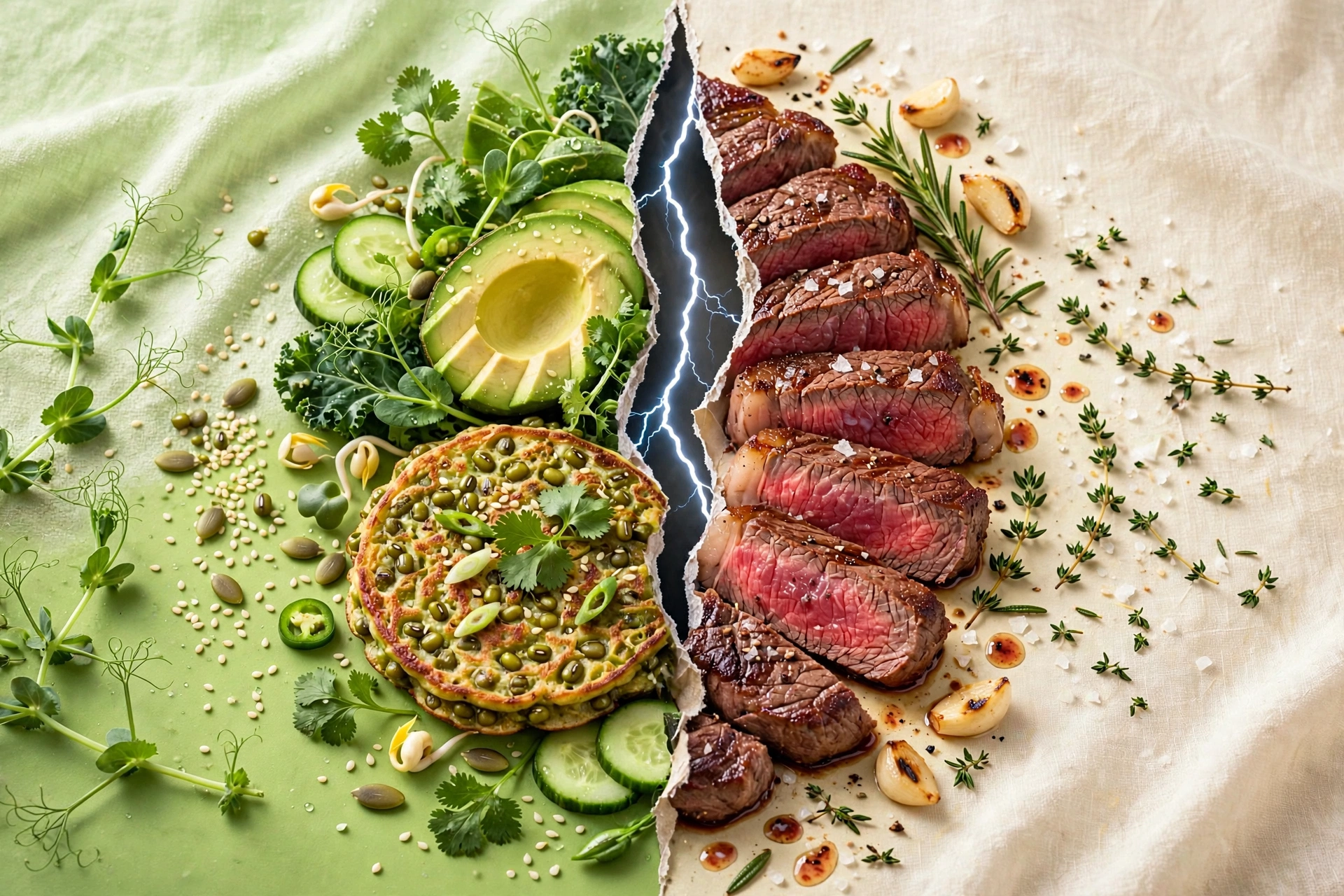
Is Plant-Based or Animal Protein Truly Better for You?
For decades, wellness circles, fitness gurus, and scientific journals have been locked in a fierce debate: plant-based versus animal protein. If you are trying to live mindfully, navigate a crowded supermarket, or simply fuel your body for optimal health, the conflicting advice can feel overwhelming. One expert claims you need juicy steaks for muscle vitality; another swears by the transformative, clean energy of lentils and hemp seeds.
So, what is the truth? Recent gold-standard scientific studies provide a refreshing, nuanced perspective on how these protein sources behave in the human body. By looking past, the dietary dogmas and bridging modern clinical data with ancient wellness wisdom, we can finally settle the score and discover how to fuel your unique body type.
The Biological Blueprint: Quality vs. Quantity
To understand the debate, we must look at what happens inside our cells. Protein is broken down into amino acids—the fundamental building blocks for muscle repair, cellular regeneration, and enzyme production.
- Animal Protein: Found in poultry, wild fish, eggs, and dairy, animal protein is highly bioavailable. This means your digestive tract absorbs it rapidly and efficiently. It is a "complete" protein, naturally packed with all nine essential amino acids that the human body cannot produce on its own.
- Plant-Based Protein: Found in legumes, nuts, seeds, and ancient grains, plant proteins often present a lower density of certain essential amino acids like leucine. However, the latest research shows that when you combine different plant sources—such as rice and beans or pea and soy blends—your body builds muscle mass and strength just as effectively as it would with traditional animal-derived whey.
The primary difference lies in the dietary "package" that surrounds the protein. Animal protein frequently comes bound with saturated fats and heme iron, which can trigger low-grade systemic inflammation if consumed in excess. On the flipped side, plant protein arrives naturally wrapped in dietary fiber, diverse micronutrients, and cell-protecting antioxidants that nurture a thriving gut microbiome.
What 2025–2026 Clinical Science Recommends
A major study led by researchers at the Harvard T.H. Chan School of Public Health revealed a crucial milestone for daily nutrition. The global data tracked thousands of adults and discovered that shifting your diet toward a higher ratio of plant-to-animal protein dramatically lowers your risk of cardiovascular complications.
| Protein Ratio (Plant to Animal) | Average Health Impact |
|---|---|
| 1 : 4.2 (Typical Western Diet) | Elevated baseline marker for systemic inflammation and higher cardiovascular risk. |
| 1 : 2 (The Balanced Step) | Cardio-protective benefits begin to level out, reducing overall vascular strain. |
| 1 : 1.3 or Higher (Optimal Target) | Up to a 27% lower risk of coronary heart disease, driven by replacing processed meats with wholesome nuts and legumes. |
This scientific consensus does not mean you must completely banish high-quality animal proteins from your kitchen. Instead, it strongly suggests an intentional shift toward plant diversity to optimize biological longevity and reduce modern metabolic stress.
The Ancient View: Protein Through the Lens of Ayurveda
Long before modern laboratories started calculating amino acid scores, the ancient sages of India understood that food is information for the body. In the philosophy of Ayurveda, there is no one-size-fits-all "perfect" protein. Food must be chosen according to your unique Dosha—your bio-energetic mind-body constitution (Vata, Pitta, or Kapha).
"What serves as medicine for one individual can function as an inflammatory imbalance for another."
Ayurveda views plant proteins, particularly split mung beans (moong dal), lentils, and chickpeas, as pure sources of Sattva—food that fosters clarity, lightness, peaceful energy, and inner harmony. When cooked with warm, digestive spices like cumin, ginger, and turmeric, these plant proteins are exceptionally gentle on the digestive fire (Agni).
Conversely, heavy animal proteins are considered highly Rajasic or Tamasic—meaning they are dense, grounding, and require an incredibly robust digestive fire to process. For a high-strung, anxious Vata type, a little sustainably sourced, warm animal broth can be deeply grounding. However, for a fiery Pitta or a sluggish Kapha, a heavy reliance on red meat can cloud the mind and create a toxic buildup of undigested metabolic byproducts (Ama).
Finding Your Bliss: The Middle Path to Vitality
If modern scientific trials and timeless holistic wisdom agree on one thing, it is that balance is key. You do not need to label yourself as strictly vegan or strictly carnivore to achieve vibrant health. True wellness is found on the Middle Path—focusing on clean, whole-food plant selections while keeping your internal systems stress-free and aligned.
[Pure Botanical Diversity] + [Balanced Internal Fire (Agni)] = Optimal Energy & Longevity
Transitioning your lifestyle toward this harmonious balance requires a space where your mind can slow down and your body can realign. If you are looking to step away from daily modern chaos, a dedicated wellness environment makes all the difference. Nestled on a quiet hillside overlooking the Andaman Sea, Mangosteen Ayurveda Resort in Phuket offers a serene sanctuary tailored to this exact journey.
Under the expert guidance of on-site Ayurvedic doctors, the resort offers customized, life-changing wellness programs that balance your personal Dosha. The cornerstone of the experience is an exquisite, life-affirming wellness cuisine featuring gourmet plant-based creations designed to fortify your body's Agni without the heavy burden of processed additives. Paired with traditional, deeply restorative Ayurvedic therapies, it is the ultimate destination to learn how to nourish your body, elevate your spirit, and discover a lasting, personalized relationship with food.
“See more of our interesting activities on YouTube”
The Mangosteen Magazine
Edition 1